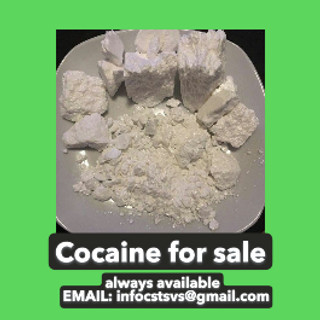
How Pure Cocaine Looks (Video): The Economic and Social Impact of Cocaine on Western Societies
- cocainedelivery
- Jan 5
- 4 min read
Updated: Jan 27
Cocaine trafficking remains one of the most complex and controversial issues facing societies worldwide, especially in Western nations like the USA, UK, and Europe. Recently, regions in the Middle East, such as Dubai and Saudi Arabia, have also become involved. The journey of cocaine from producers in countries like Colombia and Peru to consumers across the globe has far-reaching effects. This post explores how cocaine trafficking, including the buying and selling process, impacts society today. It highlights both the negative and some unexpected positive aspects.
The Path of Cocaine Trafficking
Cocaine trafficking involves multiple stages. It starts with the cultivation of coca plants in South America, mainly in Colombia, Bolivia, and Peru. These countries produce the raw material that is processed into cocaine. From there, the drug moves through a network of traffickers, smugglers, and dealers before reaching the final consumer.
The cocaine trade is highly organized. Criminal groups often control production, transportation, and distribution. The rise of the internet has introduced new challenges. Now, you can buy cocaine online, making the drug more accessible to users anywhere in the world.
Negative Effects of Cocaine Trafficking on Society
Violence and Crime
One of the most visible impacts of cocaine trafficking is the increase in violence. Criminal organizations fight over control of cocaine trade routes. This leads to armed conflicts, murders, and instability in affected regions. Cities and towns along trafficking routes often experience spikes in crime rates, including robbery, kidnapping, bribery, and corruption.
Economic Disruption
While the cocaine trade generates billions of dollars, much of this money circulates outside the formal economy. This underground economy can distort local markets, inflate prices, and discourage legitimate business activities. In producer countries like Colombia, Bolivia, and Peru, the cocaine trade can undermine agriculture. It encourages farmers to grow coca instead of food crops, affecting food security.
Public Health Challenges
The availability of cocaine has serious health consequences. Addiction, overdose, and the spread of diseases through unsafe drug use practices strain healthcare systems. The demand for cocaine fuels risky behaviors and mental health issues among users. Efforts to combat these problems require significant public resources.
Corruption and Governance
Cocaine trafficking often leads to corruption within law enforcement, the judiciary, and political institutions. Traffickers use bribes and intimidation to avoid prosecution. This weakens the rule of law and hampers development. It also erodes public trust in government.
Unexpected Positive Effects of Cocaine Trafficking
Economic Opportunities in Producer Regions
Despite its many harms, the cocaine trade has created economic opportunities in some poor rural areas. For farmers in Colombia, Bolivia, and Peru, coca cultivation can provide higher income than traditional crops. This income supports families and local economies where few alternatives for making money exist.
Innovation in Law Enforcement and Technology
The fight against cocaine trafficking has driven advances in law enforcement techniques and technology. Countries have developed better surveillance, intelligence sharing, and border control methods. These innovations sometimes benefit other areas of public safety and crime prevention, like illegal immigration and human trafficking.
Awareness and Policy Development
The global cocaine trade has raised awareness about drug policy and international cooperation. It has prompted discussions about alternative approaches, such as harm reduction, decriminalization, and development programs aimed at reducing coca cultivation.
The Role of Online Markets in Cocaine Trafficking
The internet has changed how cocaine reaches consumers. The ability to buy cocaine online through encrypted platforms has expanded access and complicated law enforcement efforts. Online markets allow users to purchase drugs discreetly, often with delivery services.
This shift challenges traditional policing. It requires new strategies to monitor and disrupt online drug sales. It also raises questions about the role of technology companies and governments in controlling illegal online activities.
Colombian and Peruvian Cocaine in the Global Market
Colombia and Peru remain the top producers of cocaine globally. Colombian cocaine is often considered higher quality and dominates markets in North America and Europe. Peruvian cocaine, while also significant, tends to supply regional markets and is sometimes mixed with other substances.
The production and export of cocaine from these countries have shaped their economies and international relations. Efforts to reduce coca cultivation include crop substitution programs and military interventions, but success has been limited.
Impact on Consumers and Communities
The final consumers of cocaine face various risks. These include addiction, health problems, and legal consequences. Communities with high cocaine use often experience social issues such as family breakdown, unemployment, and increased crime.
At the same time, some argue that regulated markets could reduce harm. They could control quality and limit criminal involvement. This debate continues among policymakers and experts.
What Can Be Done to Reduce or Stop Cocaine Trafficking?
Addressing the effects of cocaine trafficking requires a balanced approach:
Support alternative livelihoods for coca farmers to reduce dependence on cocaine production.
Strengthen law enforcement and judicial systems to combat trafficking and corruption.
Expand public health programs focused on addiction treatment and prevention.
Develop international cooperation to disrupt trafficking networks.
Explore policy reforms that focus on harm reduction and regulation.
Types Of Cocaine For Sale Online
To Conclude
Cocaine trafficking is harmful due to the violence, corruption, and bribery it encourages. However, we must also recognize its positive impacts on society. Understanding both sides of this issue is crucial for developing effective solutions.


Comments