Understanding Cocaine: A Comparative Analysis of Colombian, Bolivian, and Peruvian Varieties
- cocainedelivery
- Feb 14
- 3 min read
Updated: Mar 19
Where Does Cocaine Come From? The Basics
Cocaine is made from coca leaves. These leaves grow mainly in South America. Colombia, Bolivia, and Peru are the top three countries where coca plants thrive. Each country has its own climate, soil, and altitude. These factors affect the coca leaves and the cocaine made from them.
Colombia: Known for high-quality coca leaves. The climate is warm and humid. The soil is rich, which helps produce strong leaves.
Bolivia: Coca grows in higher altitudes. The leaves are thicker and have a different chemical makeup.
Peru: Has a mix of low and high altitude coca plants. The leaves are often less potent but processed carefully.
The differences in coca leaves lead to differences in cocaine quality and characteristics.

How Cocaine is Made in Each Country
The process of turning coca leaves into cocaine powder varies. The methods affect purity, color, and strength.
Colombia
Uses modern techniques.
Focuses on high purity.
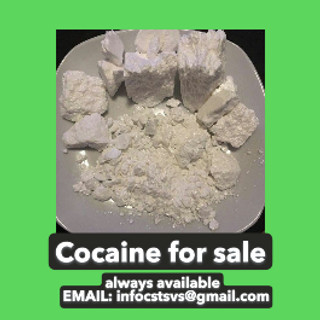
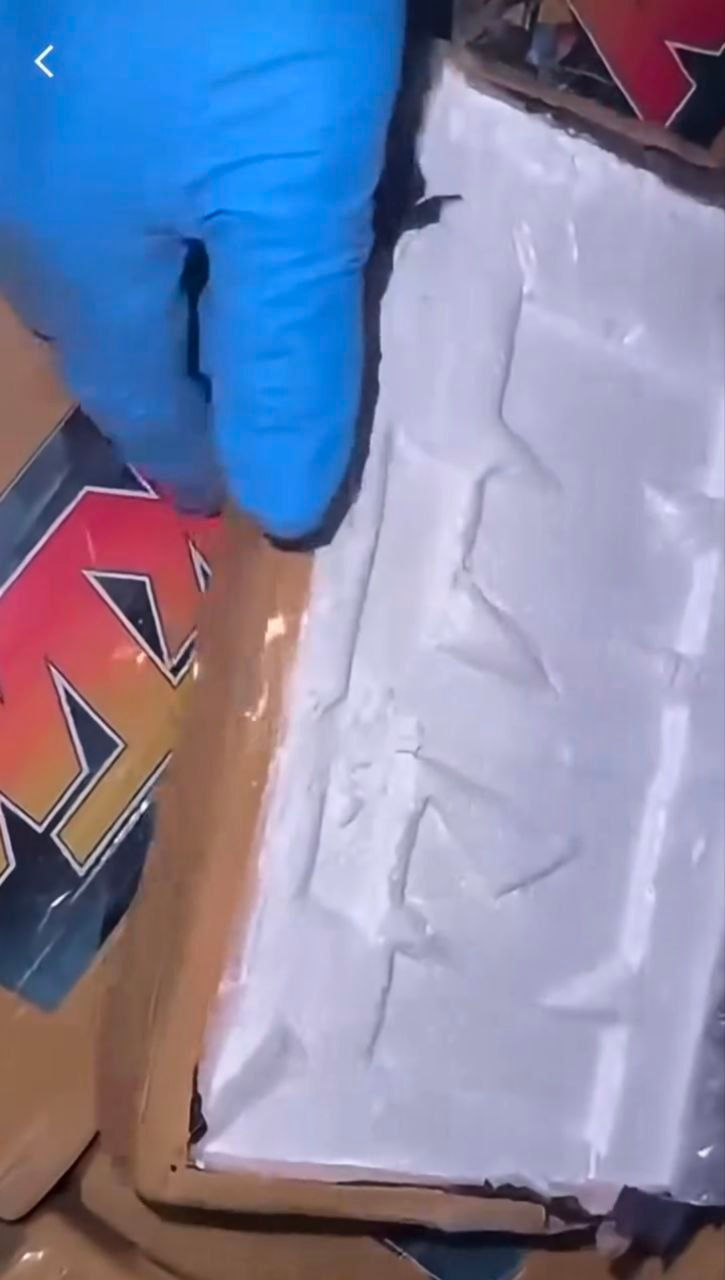
Often produces white, fine powder.
Uses chemicals like kerosene and sulfuric acid carefully.
Bolivia
Traditional methods are common.
Coca leaves are processed in small batches.
The powder may be off-white or slightly yellow.
Purity can vary widely.
Peru
Mix of traditional and modern methods.
Some producers use less chemical treatment.
Powder can be coarse and less pure.
Often mixed with other substances.
These differences affect the price and demand for cocaine from each country.
Quality and Purity: What to Expect
You want the best quality cocaine for your money. Here is a simple table comparing the average purity and price per 1kg from each country.
| Country | Average Purity (%) | Price per 1kg (USD) | Color of Powder |
|-----------|--------------------|---------------------|---------------------|
| Colombia | 80-90 | $25,000 - $35,000 | Bright white |
| Bolivia | 60-75 | $15,000 - $25,000 | Off-white to yellow |
| Peru | 50-70 | $10,000 - $20,000 | White to beige |
Colombian cocaine is usually the purest and most expensive. Bolivian cocaine is less pure but cheaper. Peruvian cocaine is the least pure and the cheapest.

Why Does Purity Matter?
Purity affects how strong the cocaine is. Higher purity means fewer fillers and more active cocaine. This means you get more effect per gram. Lower purity means the product is cut with other substances. This can be dangerous and less effective.
If you want the best value, look for cocaine with high purity. Colombian cocaine often fits this need. But it comes at a higher price.
Common Questions About Cocaine from These Countries
Here are some FAQs to clear up common doubts.
Q: Is Colombian cocaine always better?
A: Not always. Colombian cocaine is usually purer, but quality can vary. Some Bolivian and Peruvian producers also make good cocaine.
Q: Why is Bolivian cocaine cheaper?
A: Bolivia uses traditional methods and has lower purity. This lowers the price.
Q: Can you tell cocaine origin by color?
A: Sometimes. Colombian cocaine is often bright white. Bolivian and Peruvian cocaine can be off-white or beige.
Q: Is Peruvian cocaine less safe?
A: It can be less pure and mixed with fillers. This can increase risks.
Q: How to check cocaine purity?
A: Lab testing is the best way. Visual checks are not reliable.
What Should You Choose?
If you want the best quality and are willing to pay more, Colombian cocaine is your best bet. It offers high purity and consistent quality. If you want a lower price and can accept lower purity, Bolivian or Peruvian cocaine might work.
Always remember that buying raw uncut cocaine requires caution. Quality and safety should be your top priorities.
Conclusion: Making Informed Choices
This guide helps you understand the key differences between cocaine from Colombia, Bolivia, and Peru. Use this knowledge to make informed decisions and find the best prices for cocaine per 1kg.
For more detailed information on cocaine quality and prices, visit Cocaine for sale online.
Comments